One of the surprising customs for foreign visitors to Japan is the necessity to remove shoes in various places.
Not only in homes but also in restaurants, temples, schools, and even some hospitals and offices, shoe removal is expected. This article explores the reasons behind Japan’s shoe etiquette and its cultural significance.
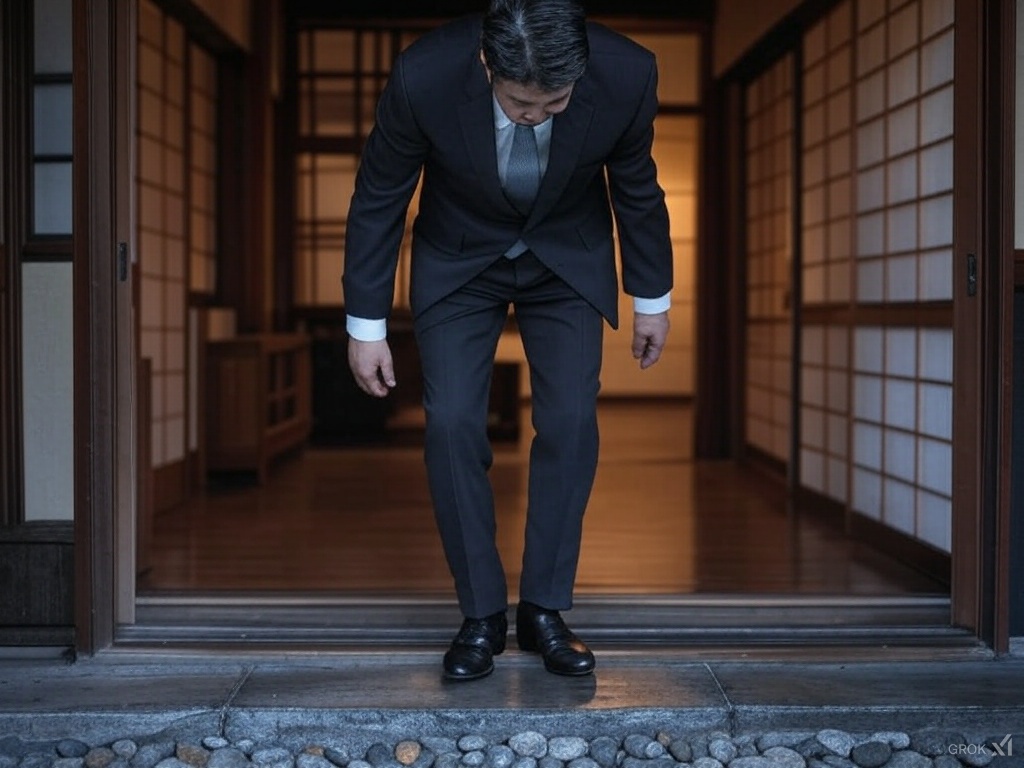
1. Hygiene and Cleanliness
① Keeping Indoor Spaces Clean
- In Japan, people often sit directly on the floor, so keeping floors clean is essential.
- Shoes carry dirt, dust, and bacteria from outside, so removing them prevents contamination indoors.
② The Role of Tatami Mats
- Traditional Japanese homes and rooms use tatami flooring, which is delicate and easily damaged by shoes.
- Tatami is best enjoyed barefoot or with socks to maintain cleanliness and longevity.
2. The Concept of “Inside and Outside”
① The Role of the Genkan (Entrance Area)
- Japanese houses have a designated entrance area called the “genkan,” which serves as a boundary between the outside and the inside.
- Shoes are removed at the genkan to prevent bringing dirt into the home.
② Symbolic and Spiritual Significance
- Removing shoes is also seen as a way to mentally transition from the outside world to a place of relaxation.
- In religious settings, such as temples and shrines, shoe removal is a sign of respect for the sacred space.
3. Common Places Where Shoes Must Be Removed
① Homes
- Almost all Japanese homes require visitors to remove their shoes upon entry.
- Slippers or indoor footwear are often provided.
② Traditional Restaurants (Tatami Seating Areas)
- In restaurants with tatami seating, customers must remove their shoes before sitting down.
- This practice is especially common in high-end traditional dining establishments.
③ Temples and Shrines
- Many religious sites require visitors to take off their shoes as a sign of purity and respect.
④ Schools and Hospitals
- Japanese schools often require students to change into indoor shoes (“uwabaki”) upon entering.
- Some hospitals and clinics also provide slippers to maintain hygiene.
4. Comparing Japan’s Custom to Other Countries
- Western Countries: Keeping shoes on indoors is common, except in some households.
- Korea & China: Similar to Japan, many homes require shoe removal.
- Middle East: Removing shoes before entering mosques is a standard practice.
Conclusion
The reasons behind Japan’s strict shoe etiquette include:
- Prioritizing hygiene and cleanliness
- Protecting delicate tatami flooring
- Cultural and spiritual traditions emphasizing respect for indoor spaces
For visitors to Japan, understanding this custom can help ensure a more immersive and respectful experience. Always check for signs or observe others when entering a new space to know whether you should remove your shoes!



コメント
コメント一覧 (13件)
get enclomiphene canada how to buy
online order enclomiphene generic drug india
kamagra low cost au canada
pas cher kamagra à vendre en ligne sans prescription requise
get androxal no prescription online
buying androxal price netherlands
buy dutasteride using mastercard
how to order dutasteride cheap australia
discount flexeril cyclobenzaprine without prescriptions uk
flexeril cyclobenzaprine online next day
online order fildena generic sale
canada pharmacy fildena generic
cheapest buy gabapentin cost australia
how to buy gabapentin cheap united states
cheapest staxyn price
online order staxyn australia discount
online order itraconazole buy online usa
buying itraconazole cost insurance
buy avodart price for prescription
avodart from mexico without prescription
get rifaximin lowest cost pharmacy
get rifaximin generic when will be available
cheap xifaxan buy san francisco
discount xifaxan cheap in canada
doprava zdarma kamagra
kamagra online kanada bez lékařského předpisu