Introduction
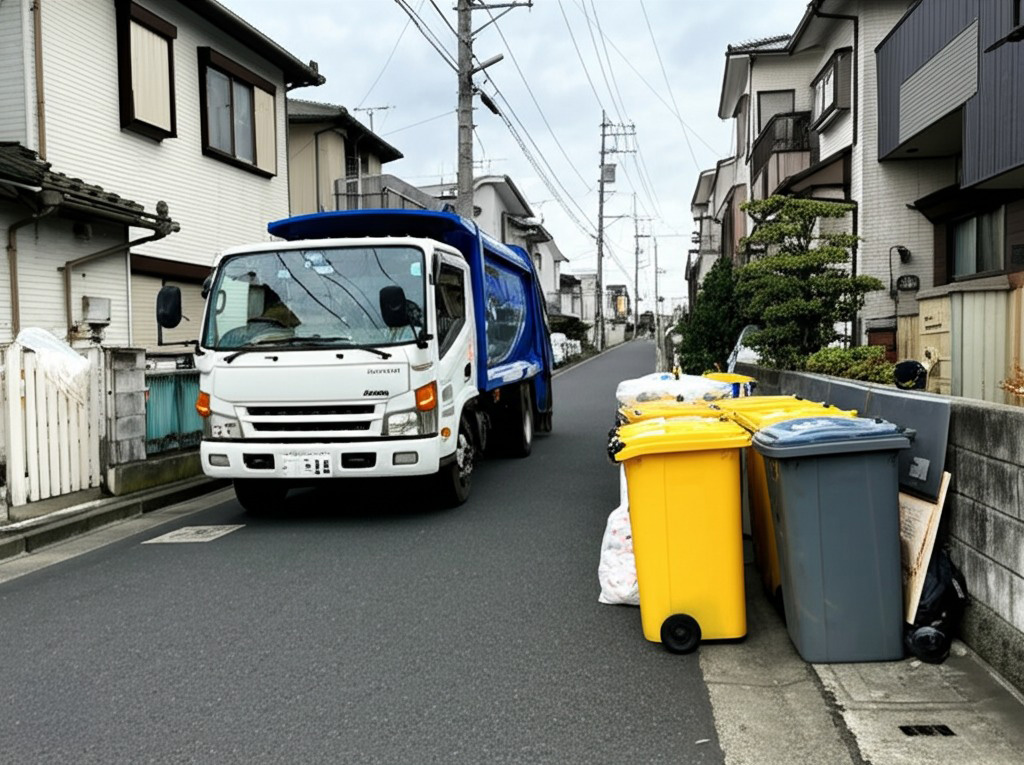
Japan is known for its strict and detailed garbage sorting system. Each city has its own specific rules, and failing to follow them can result in fines, warnings, or even refused garbage collection. Many foreigners struggle with Japan’s waste separation process, leading to common mistakes. In this guide, we’ll explore what happens if you sort garbage incorrectly and how to avoid common errors.
1. What Happens If You Sort Garbage Incorrectly?
① Your Garbage Won’t Be Collected 🚮✖️
- If your garbage is not sorted properly, the garbage collectors will refuse to take it.
- They may leave a warning sticker on your trash bag, explaining the mistake.
- You will have to re-sort your garbage and wait for the next collection day.
② Fines or Penalties in Some Areas 💰⚠️
- While most areas only refuse collection, some municipalities issue fines for repeated violations.
- In cities like Kyoto and Yokohama, improper waste disposal can result in fines of up to ¥50,000 (around $350).
- If you live in an apartment, your landlord may warn you or even charge a fee for repeated violations.
③ Complaints from Neighbors 🏠⚠️
- Japan values community harmony, and improper garbage disposal can cause trouble with neighbors.
- Some neighbors may report repeated violations to the local authorities or building management.
- In extreme cases, it can damage your reputation in the neighborhood.
2. Common Garbage Sorting Mistakes Foreigners Make
① Mixing Burnable and Non-Burnable Waste 🔥🚫
- Some items that seem burnable, like plastic wrappers, certain packaging, or coated paper, might actually be classified as non-burnable.
- Always check your local garbage sorting guide.
② Throwing PET Bottles into General Plastic Waste ♻️
- In Japan, PET bottles (plastic drink bottles) have a separate category.
- You need to remove the cap, remove the label, rinse the bottle, and dispose of each part separately.
- Many foreigners mistakenly throw them into general plastic waste.
③ Disposing Large Items (Sodai Gomi) Incorrectly 🛋️🚫
- Large waste (e.g., furniture, bicycles, mattresses) cannot be thrown away as regular garbage.
- You must book a collection service and pay a disposal fee (usually ¥500–¥3,000 per item).
④ Not Using the Correct Garbage Bags 🛍️
- Many cities require special garbage bags for different types of waste.
- Using the wrong bag may lead to collection refusal.
- Some areas even sell designated bags at convenience stores.
⑤ Forgetting to Wash Recyclables 🧼
- Recyclables like cans, bottles, and plastic containers must be rinsed before disposal.
- Unclean items may be rejected or considered burnable waste.
⑥ Throwing Batteries or Electronics in Regular Trash 🔋⚠️
- Batteries and small electronics must be taken to designated collection points (some supermarkets and electronics stores accept them).
- Throwing them in burnable or non-burnable garbage can be dangerous and is often illegal.
3. How to Avoid Garbage Sorting Mistakes
✅ Check Your Local Garbage Collection Guide 📄
- Each city has its own rules. Find the official garbage sorting guide from your local city office.
- Some cities offer English, Chinese, and other language versions.
✅ Follow Collection Schedules 📅
- Garbage is collected on different days based on type (burnable, non-burnable, recyclables, large waste).
- Check the local garbage collection calendar to avoid leaving trash out on the wrong day.
✅ Ask Your Building Manager or Neighbors 🏢
- If you are unsure, ask your landlord, building manager, or a local neighbor for clarification.
- Some apartment buildings have specific garbage collection rules.
✅ Use Sorting Apps 📱
- Some cities have apps like “5374.jp” (Gomi Navi) that help with proper sorting.
- You can enter an item, and it will tell you how to dispose of it correctly.
Conclusion
Japan’s garbage sorting system is strict but necessary for effective recycling and waste management. Sorting mistakes can lead to garbage collection refusal, fines, or even neighborhood complaints. However, by following local rules, using sorting guides, and asking for help when needed, you can avoid these issues and contribute to a cleaner Japan.
Have you ever made a garbage sorting mistake in Japan? Share your experience in the comments!




コメント
コメント一覧 (13件)
médicaments canadiens kamagra
kamagra livraison sans ordonnance
purchase enclomiphene purchase generic
canadian womens enclomiphene vs united states enclomiphene
cheap androxal cheap prices
androxal non prescription for next day delivery
flexeril cyclobenzaprine without a presciption canadian perscriptions flexeril cyclobenzaprine
buying flexeril cyclobenzaprine buy hong kong
cheap dutasteride generic next day delivery
cheapest buy dutasteride buy sydney
get fildena canada generic
ordering fildena uk order
brand gabapentin
buy cheap gabapentin purchase in australia
buy cheap itraconazole american express canada
purchase itraconazole non prescription online
buy avodart generic pharmacy in canada
ordering avodart uk meds
staxyn online canada no prescription
purchase staxyn no prescription
buy cheap xifaxan generic uk next day delivery
how to order xifaxan buy san francisco
get rifaximin purchase england
buy cheap rifaximin usa drugstore
nákup kamagra se slevou
comprar kamagra hřích receta