Introduction
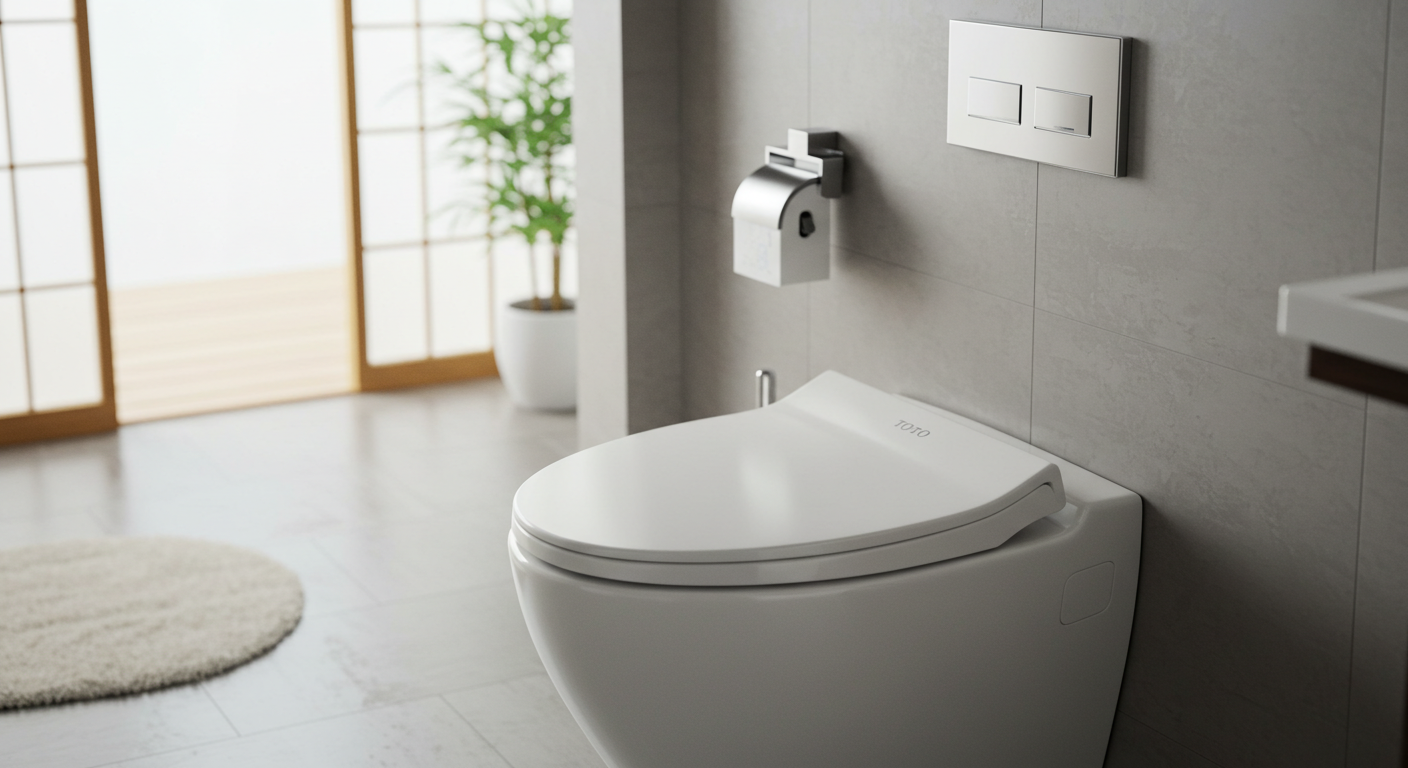
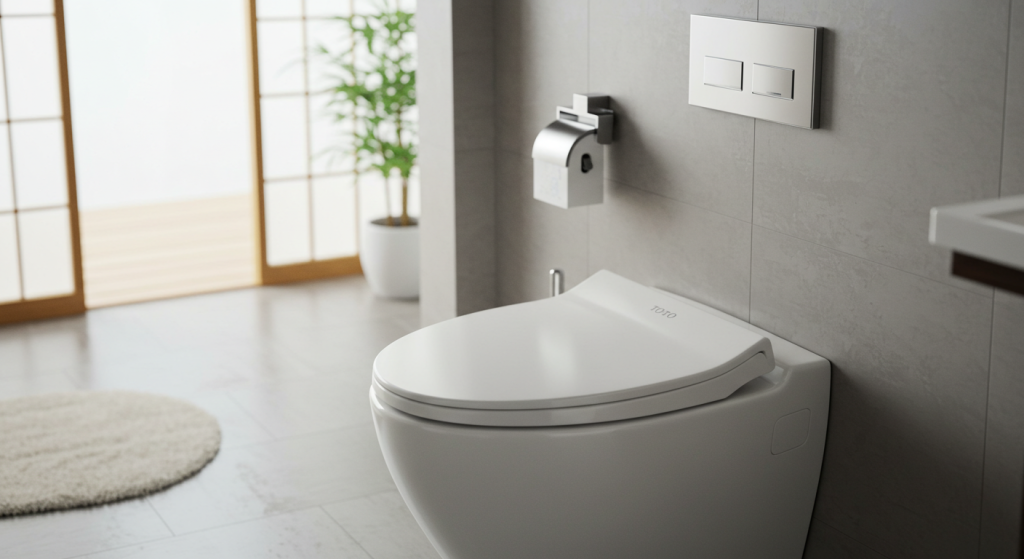
One of the biggest surprises for foreign visitors to Japan is the sheer number of buttons on toilets. In Japan, advanced bidet toilets (commonly known as “Washlets”) are the norm, equipped with multiple functions for hygiene and comfort. This article explores why Japanese toilets have so many buttons and how they enhance the bathroom experience.
Is it true that Japan has the best toilets in the world?
1. Why Have Japanese Toilets Evolved?
Japan’s toilets are among the most technologically advanced in the world. Several key factors contribute to this development:
① High Standards of Hygiene
Japan places a strong emphasis on cleanliness, and this extends to the restroom experience. The introduction of bidet functions ensures a more hygienic experience than using toilet paper alone.
② Technological Innovation and Comfort
Japanese manufacturers continually enhance toilet technology, prioritizing user comfort. The result is a sophisticated toilet with numerous features to improve hygiene and convenience.
③ Cultural Preference for Discretion
Japanese culture values privacy, even in restrooms. Features like the “Sound Princess” (which masks toilet noises) help maintain discretion in public restrooms.
2. Common Buttons and Functions on Japanese Toilets
Here are the most common buttons and their functions:
① Bidet Functions (Oshiri & Bidet)
- Oshiri (Rear Wash): Sprays warm water to clean the rear.
- Bidet (Front Wash): A gentler wash designed for female users.
② Dryer Function
- Uses warm air to dry the user after washing, reducing the need for toilet paper and promoting eco-friendliness.
③ Water Pressure and Nozzle Position Control
- Adjusts water pressure for comfort.
- Moves the nozzle forward or backward for precise cleaning.
④ Heated Seat Function
- Keeps the seat warm, making winter bathroom visits much more comfortable.
⑤ Deodorizer
- An automatic air purifier that eliminates odors inside the toilet bowl.
⑥ Sound Masking (Otohime/Sound Princess)
- Plays a flushing sound to mask any noises, ensuring privacy.
⑦ Automatic Lid and Flushing
- Some models open and close the lid automatically when a user approaches.
- Automatic flushing when the user stands up.
⑧ Water-Saving Flush Options
- Dual flush buttons for “large” and “small” amounts of water to conserve resources.
3. How Japanese Toilets Compare to the Rest of the World
① Japan vs. Other Countries
- Western Countries: Most restrooms have simple toilets without built-in bidets.
- Southeast Asia: Many toilets use a hand-held spray instead of a built-in bidet.
- Japan: High-tech toilets with extensive features are common.
② Foreign Visitors’ Reactions
- “So many buttons! How do I use this?”
- “It feels like a toilet from the future!”
- “The sound-masking feature is amazing!”
4. Tips for Using Japanese Toilets
① Read Instructions Before Use
- Many public restrooms and hotels have multilingual instructions.
- Check the symbols to understand each function before pressing buttons.
② Enjoy the Comfort and Hygiene
- Use the bidet and drying functions for a cleaner experience.
- Heated seats provide additional comfort in winter.
③ Try High-Tech Toilets in Public Spaces
- Electronics stores often display advanced toilet models.
- Airports and department stores usually have state-of-the-art restrooms.
Conclusion
Japanese toilets have many buttons because they are designed to maximize hygiene, comfort, and convenience.
Key reasons include:
- Japan’s emphasis on cleanliness
- Technological innovation
- Cultural preferences for privacy and comfort
While first-time users may feel overwhelmed, these features contribute to a superior restroom experience. When visiting Japan, don’t hesitate to explore and enjoy the incredible convenience of Japanese high-tech toilets!




コメント
コメント一覧 (13件)
get androxal where to purchase
discount androxal usa sales
how to order enclomiphene purchase in australia
online order enclomiphene cost without insurance
buying rifaximin generic europe
rifaximin ups fedex shipping
how to order xifaxan cheap generic uk
how do you get xifaxan
order staxyn usa mastercard
get staxyn cheap buy online no prescription
online order avodart generic pricing
avodart pills canadian pharmacy order
cheapest buy dutasteride usa generic
buy cheap dutasteride uk meds
cheapest buy flexeril cyclobenzaprine generic online buy
order flexeril cyclobenzaprine united kingdom
buy cheap gabapentin generic in united states
get gabapentin price from cvs
purchase fildena price dubai
No prescripton fildena
generic itraconazole no prescription needed
online order itraconazole canadian online pharmacy
koupit kamagra japonsko
zahraniční nákup drog bez lékařského předpisu kamagra
kamagra nz commande en ligne
comment obtenir kamagra oine