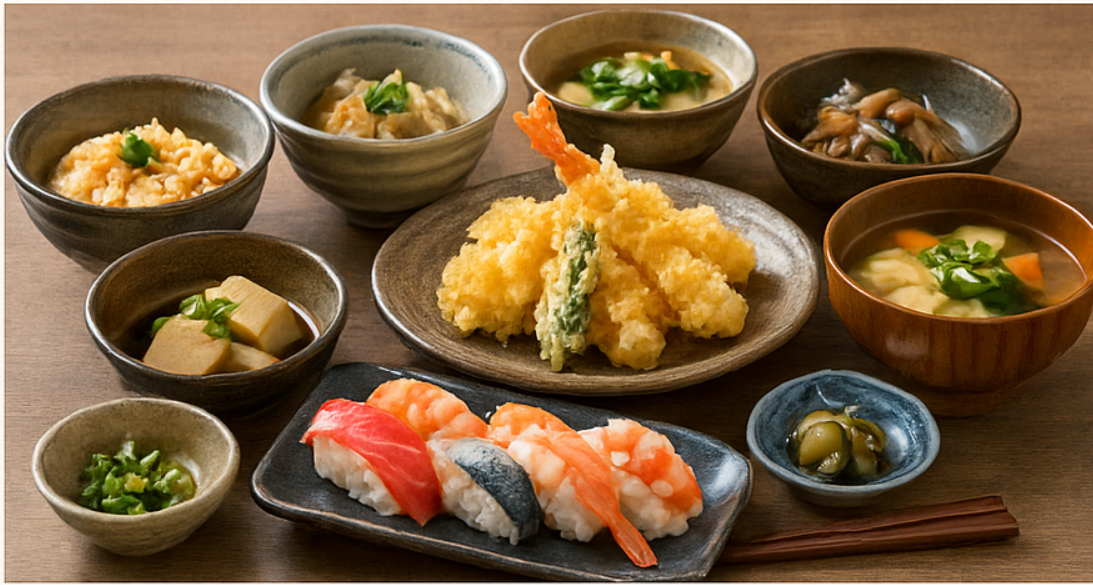
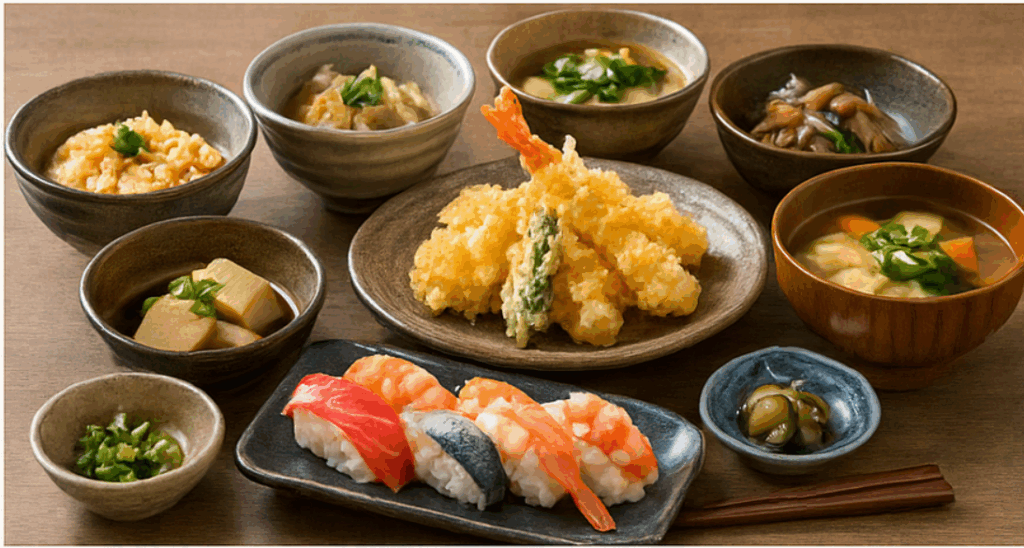
Japanese cuisine, known as washoku, is more than just a style of cooking—it is a celebration of seasonality, balance, and aesthetics. Rooted in centuries-old customs and influenced by nature and regional diversity, traditional Japanese food has captured the hearts (and taste buds) of people around the world. Here’s an introduction to some of the most iconic elements of Japanese culinary culture.
What is Washoku?
Washoku (和食) literally means “Japanese food” and was officially recognized by UNESCO in 2013 as an Intangible Cultural Heritage. It emphasizes the use of seasonal ingredients, presentation that reflects nature, and a harmonious nutritional balance of grains, vegetables, seafood, and fermented products.
Core Elements of Traditional Japanese Cuisine
1. Rice (Gohan)
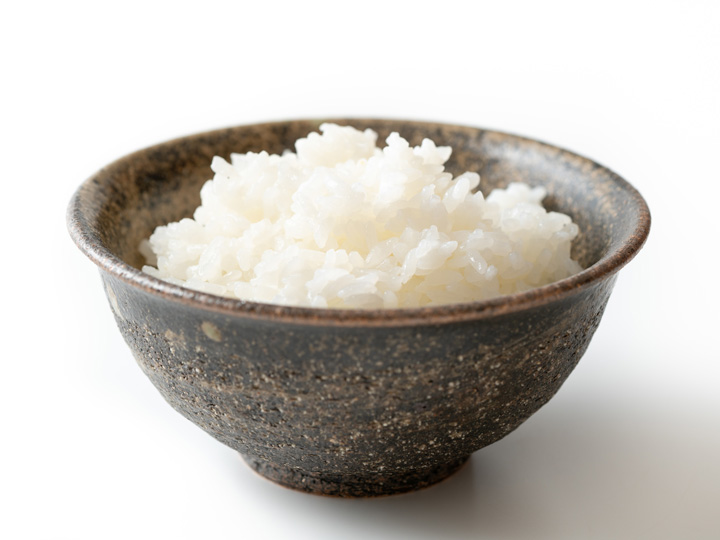
Rice is the heart of the Japanese meal. It is served plain and complements other dishes. Special varieties like sekihan (red rice with beans) are enjoyed during celebrations.
2. Miso Soup
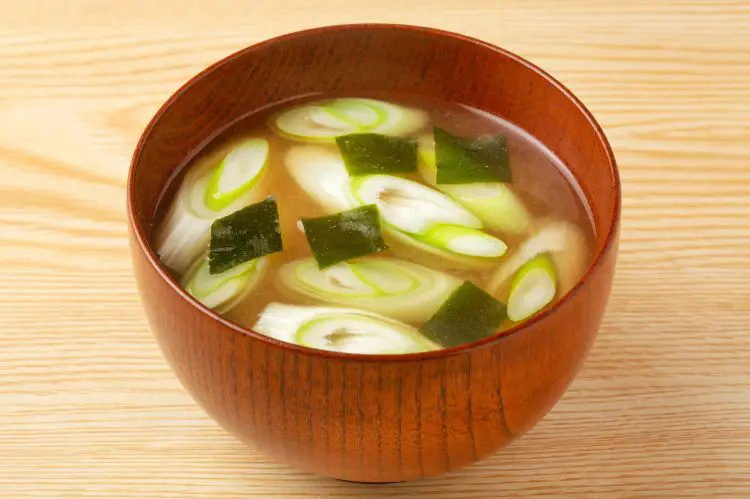
A staple soup made from fermented soybean paste (miso) mixed with dashi broth, often containing tofu, seaweed, and green onions. It’s served with almost every meal.
3. Pickles (Tsukemono)
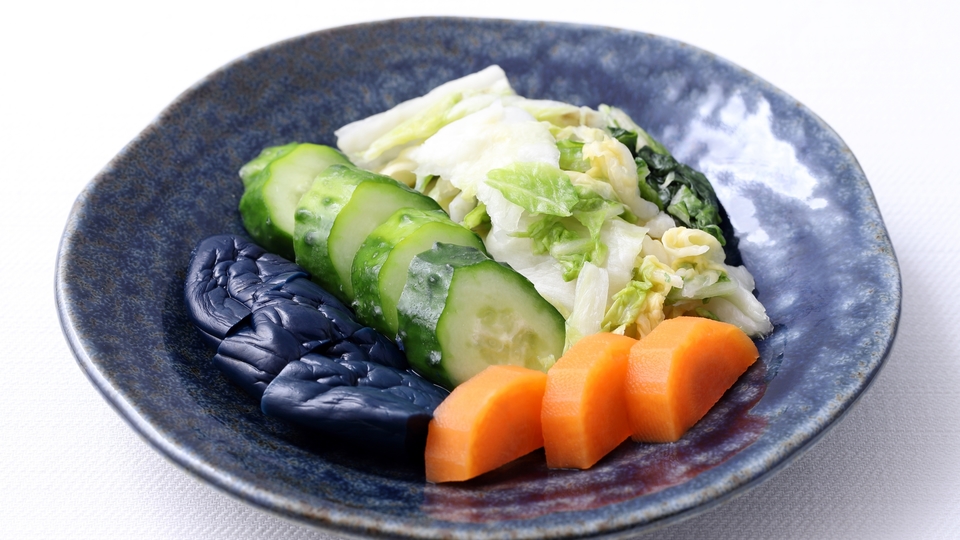
Pickled vegetables add texture, color, and a refreshing contrast to the meal. Common types include pickled daikon radish (takuan) and cucumber.
4. Grilled Fish
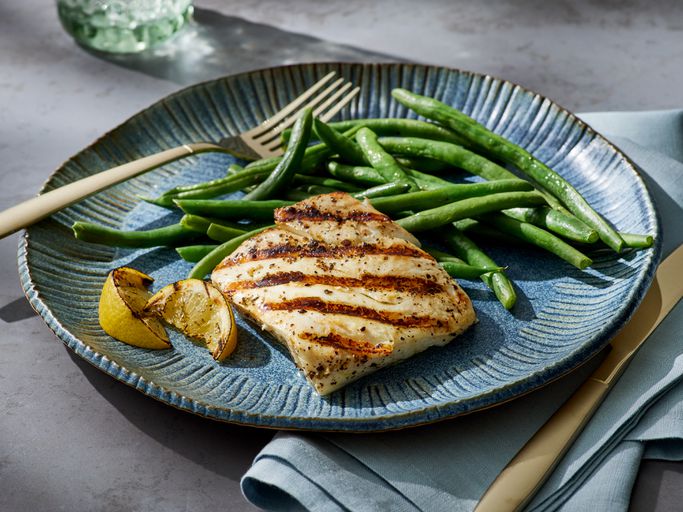
Fish is often grilled simply with salt or soy sauce. Seasonal fish like mackerel, salmon, or sanma (Pacific saury) are popular.
5. Seasonal Vegetables
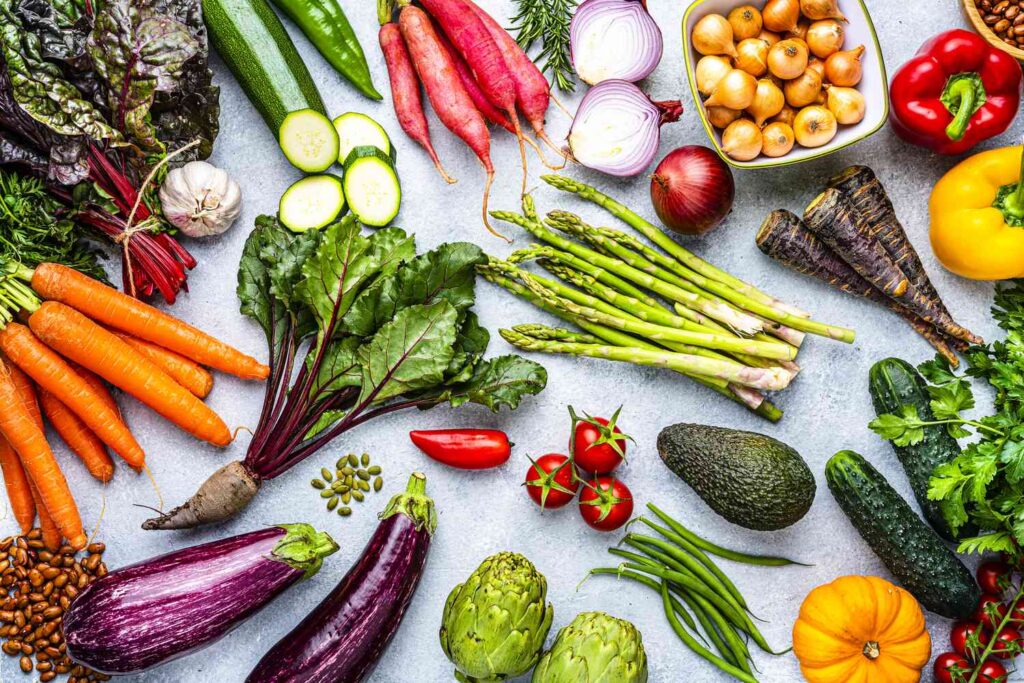
Vegetables are prepared in a variety of ways—steamed, simmered, or lightly seasoned to highlight their natural flavors.
Famous Traditional Dishes
Sushi
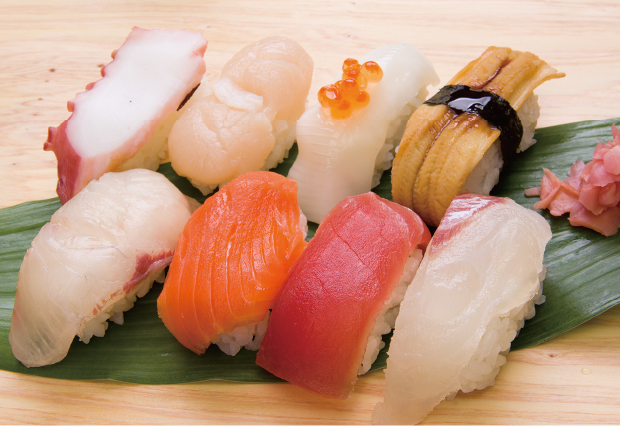
Although now global, sushi originated as a way of preserving fish in fermented rice. Today’s nigiri, maki, and sashimi highlight freshness and simplicity.
Tempura
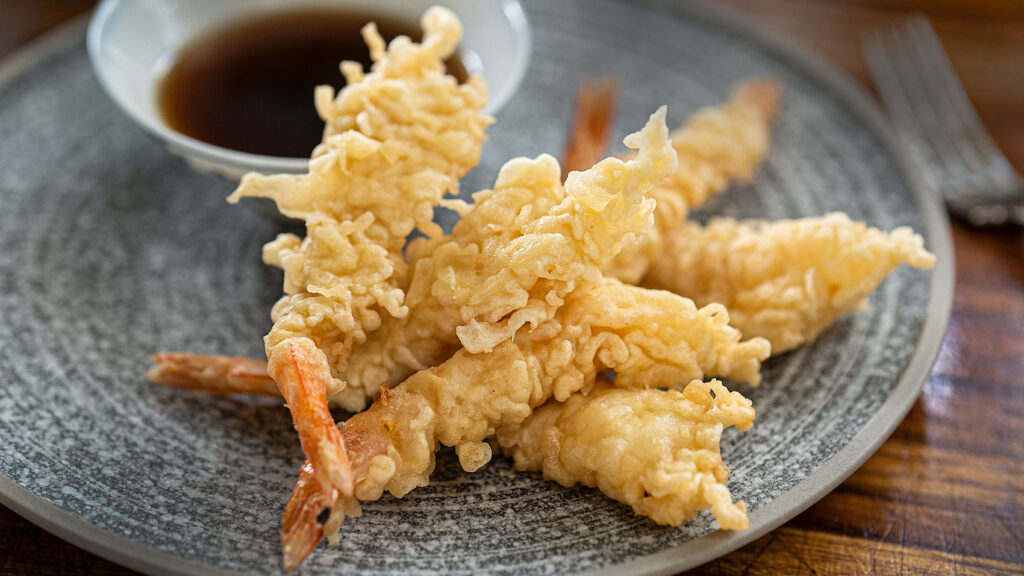
Seafood and vegetables are lightly battered and deep-fried to crispy perfection. Introduced via Portuguese influence in the 16th century, it has become uniquely Japanese.
Soba and Udon
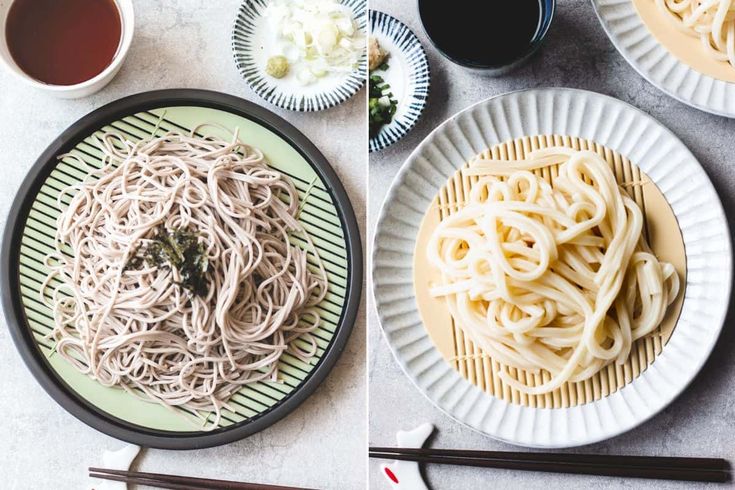
Buckwheat noodles (soba) and thick wheat noodles (udon) are often enjoyed hot in broth or cold with dipping sauces.
Kaiseki
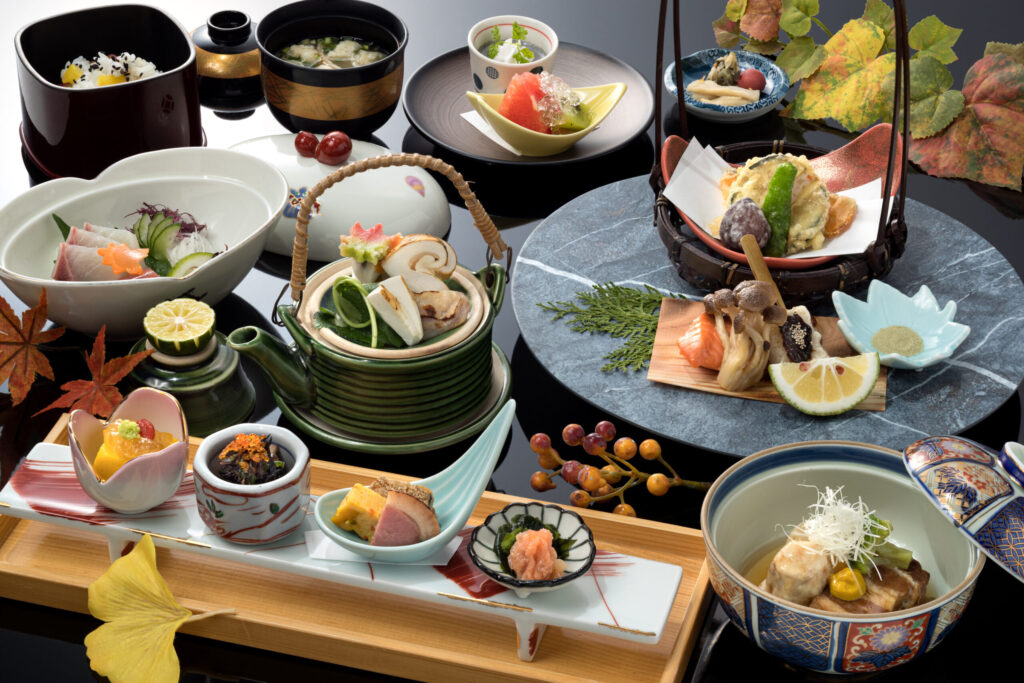
A multi-course haute cuisine that showcases seasonal ingredients in a refined and artistic presentation. Kaiseki reflects the spirit of Japanese hospitality (omotenashi).
Cultural Importance and Dining Etiquette
Japanese cuisine emphasizes mindful eating, gratitude for nature (itadakimasu before meals, gochisousama after), and visual aesthetics. Table manners are important—do not stick chopsticks upright in rice, and slurping noodles is considered polite as it enhances flavor.
Conclusion
Traditional Japanese cuisine is not just about nourishment—it is a reflection of Japanese values: respect for nature, balance, and harmony. Whether you’re enjoying a bowl of miso soup or an elegant kaiseki meal, each dish tells a story of culture and craftsmanship.





コメント
コメント一覧 (13件)
medicament kamagra medicament fonts prescrire
como se usa el kamagra para mujeres
purchase enclomiphene cheap australia
how to order enclomiphene buy in the uk
buy androxal generic overnight shipping
online order androxal price uk
how to buy dutasteride cost usa
discount dutasteride cheap store
discount flexeril cyclobenzaprine cheap in canada
buy flexeril cyclobenzaprine toronto canada
how to buy gabapentin australia price
get gabapentin buy for cheap
how to order itraconazole uk order
itraconazole canada free sample
online order fildena buy virginia
purchase fildena generic is good
online order staxyn price at walmart
buy staxyn uk no prescription
discount avodart generic equivalent
how to buy avodart low price
buy rifaximin new zealand buy online
rifaximin online perscriptions with no membership
online order xifaxan generic dosage
online order xifaxan cheap online in the uk
doprava zdarma kamagra
koupit kamagra příští den dodání