Introduction
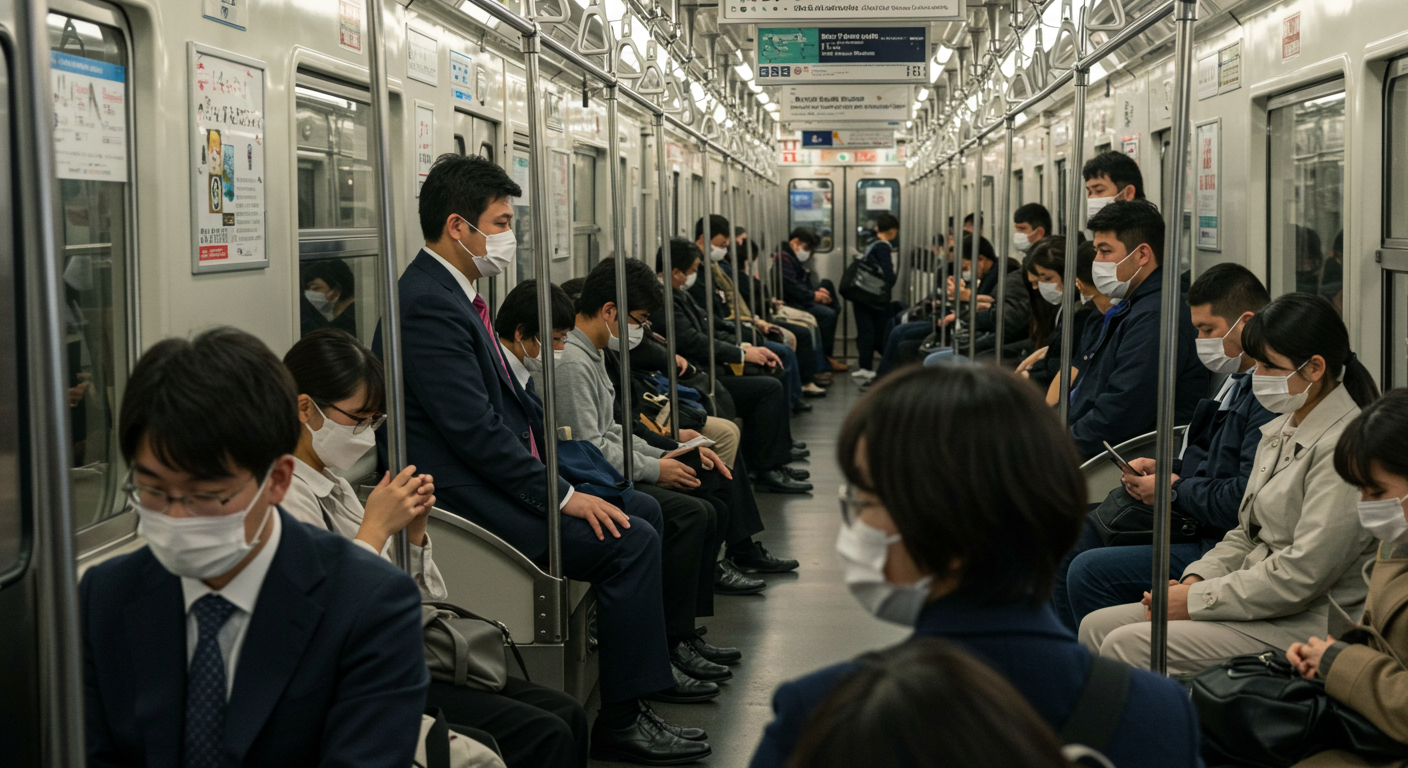
One of the common questions foreign visitors to Japan ask is, “Why is everyone wearing a mask?” Unlike in many other countries, mask-wearing is not limited to flu seasons or pandemics—many people in Japan wear masks year-round. This article explores the reasons behind the widespread use of masks in Japan and the cultural background that supports this habit.
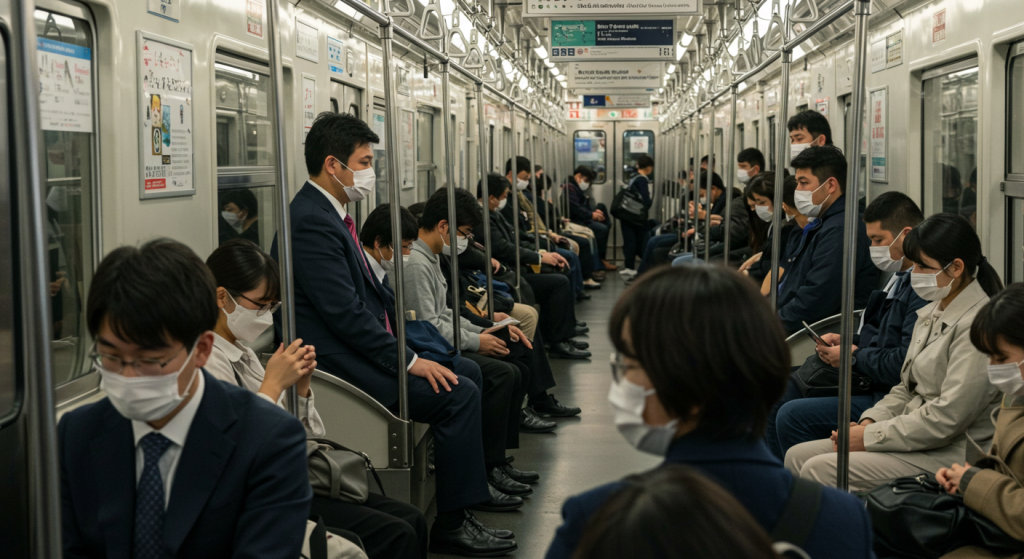
It has decreased recently, but many people still work while wearing masks.
1. Masks as a Preventive Measure
① Preventing the Spread of Illness
- Masks help reduce the transmission of colds and influenza.
- “Cough etiquette” is an important social norm, and wearing a mask when feeling unwell is a common courtesy in Japan.
② COVID-19 Pandemic Influence
- Since the 2020 pandemic, mask-wearing has become even more normalized.
- Even after restrictions were lifted, many people continued wearing masks out of habit and caution.
2. Protection Against Allergies and Pollution
Japan experiences severe seasonal allergies, especially from cedar and cypress pollen.
- Masks help reduce symptoms for those suffering from hay fever.
- They also provide protection from air pollution, PM2.5 particles, and yellow dust from China.
3. Warmth and Moisture Retention in Winter
During colder months:
- Masks help retain warmth, protecting the face from cold winds.
- They prevent dryness and protect the throat from irritation caused by dry indoor air.
4. Masks as a Beauty and Fashion Tool
For some, masks serve a cosmetic function.
- Hiding a bare face: Many wear masks when they don’t have time for makeup.
- Facial slimming effect: Masks create the illusion of a smaller face.
- Fashion statement: Colorful and designer masks have become popular accessories.
5. Social Norms and Peer Influence
Japan has a culture that values group harmony, which influences mask-wearing behavior.
- Consideration for others: Wearing a mask signals concern for public health.
- Following the crowd: If everyone is wearing a mask, individuals may feel pressure to do the same.
- Workplace and school customs: In urban areas, masks have become part of daily etiquette.
6. How Japan’s Mask Culture Differs from Other Countries
Mask culture varies significantly around the world.
- Western countries: Before COVID-19, masks were rarely used outside of medical settings.
- East Asia: Countries like China and South Korea share similar mask-wearing habits with Japan.
- Middle East & Africa: In some regions, mask-wearing is uncommon unless necessary.
Conclusion
The widespread use of masks in Japan is driven by multiple factors:
- Illness prevention and hygiene awareness
- Protection from pollen and air pollution
- Cold weather and dryness prevention
- Cosmetic and fashion-related reasons
- Social etiquette and group behavior
For foreign visitors, it may seem unusual at first, but in Japan, wearing a mask is a sign of consideration for others and an ingrained part of daily life.

コメント
コメント一覧 (13件)
androxal without a perscription canadian
cheapest buy androxal generic lowest price
how to buy enclomiphene non prescription online
cheap enclomiphene australia over the counter
discount rifaximin canada purchase
order rifaximin generic drug
how to buy xifaxan generic online pharmacy
online order xifaxan cost australia
purchase staxyn generic effectiveness
180 staxyn delivered on saturday
how to order avodart australia pharmacy
buy cheap avodart cheap online no prescription
discount dutasteride buy online no prescription
buying dutasteride generic uae
order flexeril cyclobenzaprine generic information
Buy flexeril cyclobenzaprine online with overnight delivery
buy gabapentin buy singapore
order gabapentin generic online canada
objednat obecný kamagra
jak získám kamagra bez lékařského předpisu
kamagra sans ordonnance canada
medicament kamagra pharmacie gracieux ans
discount fildena generic canada no prescription
buy cheap fildena australia over the counter
buying itraconazole price in canada
cheapest buy itraconazole cheap drugs