Introduction
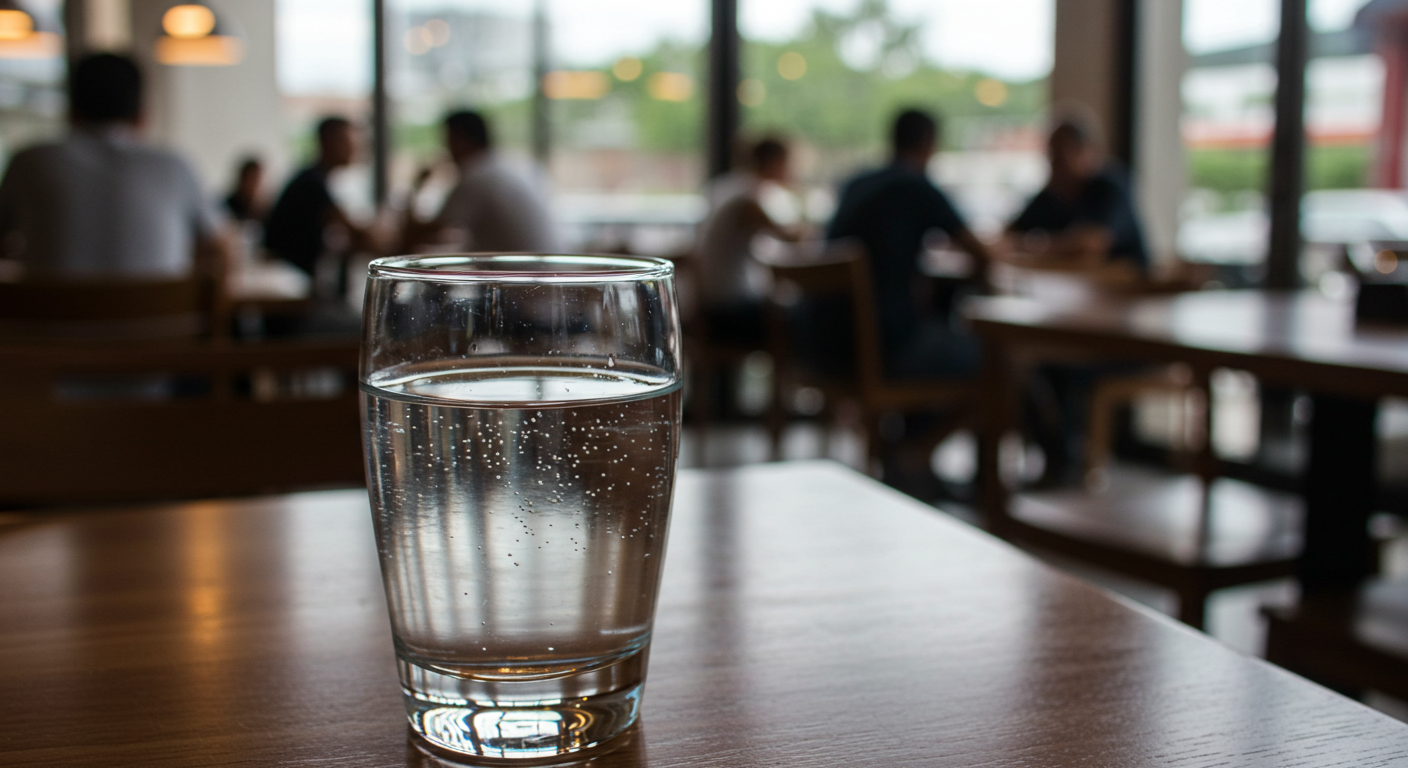
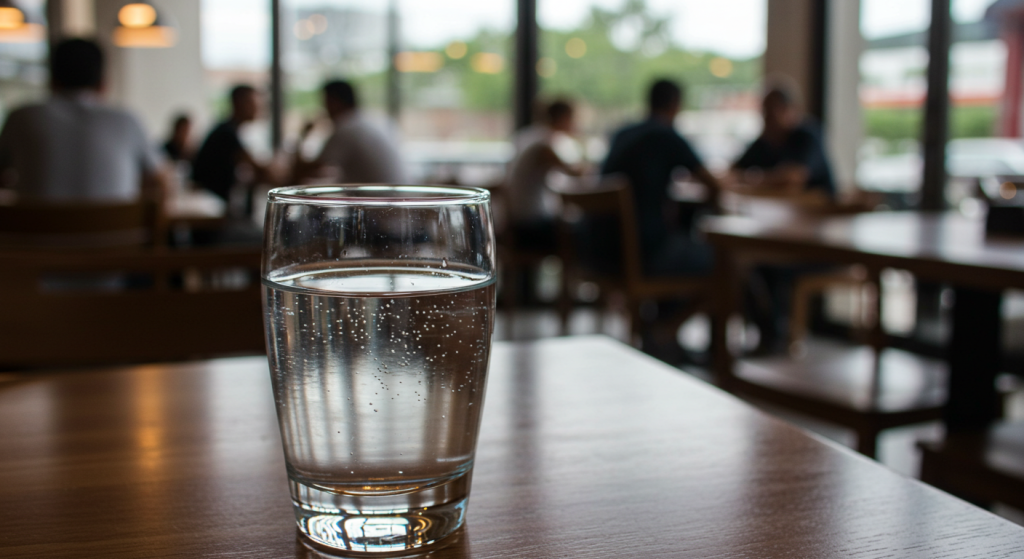
When visiting a restaurant in Japan, it is common to receive a free glass of water and a wet hand towel (oshibori) before even ordering. However, for many foreign visitors, this practice is surprising and raises the question, “Why is this free?” In this article, we will explore the reasons behind this tradition and the cultural significance of offering free water and oshibori in Japanese restaurants.
1. The “Omotenashi” Culture Behind Free Services
Japan is renowned for its “omotenashi” hospitality, which emphasizes wholehearted and attentive service. Unlike in many countries where tipping is expected, Japanese service culture focuses on providing the best possible experience without expecting additional compensation.
Offering free water and oshibori is an extension of this philosophy. Restaurants aim to make customers feel comfortable and welcome, demonstrating hospitality from the moment they sit down. This practice is deeply rooted in Japanese customer service traditions.
2. Health and Hygiene Considerations
Why Is Water Provided for Free?
- Hydration is essential: Especially during hot summer months, providing water helps prevent dehydration.
- Enhancing the dining experience: Water cleanses the palate and allows customers to fully enjoy their meals.
- Pairs well with alcohol: Many customers order alcoholic beverages, and water helps maintain balance and prevents dehydration.
The Purpose of Oshibori (Wet Towels)
- Maintaining cleanliness: Wiping hands before eating ensures a more hygienic dining experience.
- Relaxation benefits: Warm oshibori in winter and cold ones in summer provide comfort and relaxation.
- Unique to Japanese culture: In many countries, wet napkins or hand wipes come at an extra charge, making Japan’s complimentary oshibori a special touch.
3. Comparing Japan to Other Countries: A Unique Custom
While free water and oshibori are standard in Japan, practices vary widely around the world:
- United States & Europe: Water is often charged separately, and bottled or sparkling water is the norm.
- Southeast Asia: Restaurants rarely offer free water; customers must purchase bottled water.
- South Korea & China: Free hot tea is more commonly served instead of water.
Japan’s commitment to customer satisfaction through free services sets it apart and often surprises international visitors.
4. Will Free Water and Oshibori Continue in Japan?
With rising operational costs, some restaurants are reconsidering their free offerings. However, the majority still uphold these traditions as part of Japan’s hospitality culture.
Additionally, sustainability concerns have led some establishments to replace disposable oshibori with reusable cloth towels. While small changes may occur, the essence of Japanese service—prioritizing customer comfort—will remain unchanged.
Conclusion
The reasons Japanese restaurants offer free water and oshibori can be summarized as:
- A reflection of “omotenashi” hospitality
- Consideration for health and hygiene
- A rare and unique practice compared to other countries
For visitors to Japan, experiencing this thoughtful service firsthand provides a deeper understanding of the country’s cultural values. Next time you dine in Japan, take a moment to appreciate the tradition and enjoy the hospitality that makes Japanese restaurants truly special.


コメント
コメント一覧 (13件)
discount androxal cheap fast shipping
cheap androxal no prescription needed
cheap enclomiphene uk order
get enclomiphene purchase australia
how to buy rifaximin no prescription overnight delivery
discount rifaximin price for prescription
get xifaxan uk suppliers
lowest price xifaxan
buy staxyn canada purchase
ordering staxyn generic effectiveness
Buy avodart online canadian no script
buy avodart generic does it work
achat kamagra generique
kamagra commande en ligne canada
buy cheap dutasteride australia cheap
buying dutasteride usa overnight delivery
online order flexeril cyclobenzaprine us pharmacies
Order flexeril cyclobenzaprine no perscription
purchase gabapentin toronto canada
buy gabapentin australia where to buy
how to buy fildena buy uk no prescription
ordering fildena generic available
ordering itraconazole uk buy over counter
get itraconazole generic alternative
kamagra přenocování v sobotu
jsem žena, která má emfyzém s nízkým hemo atd. dr chce předepsat kamagra