Introduction
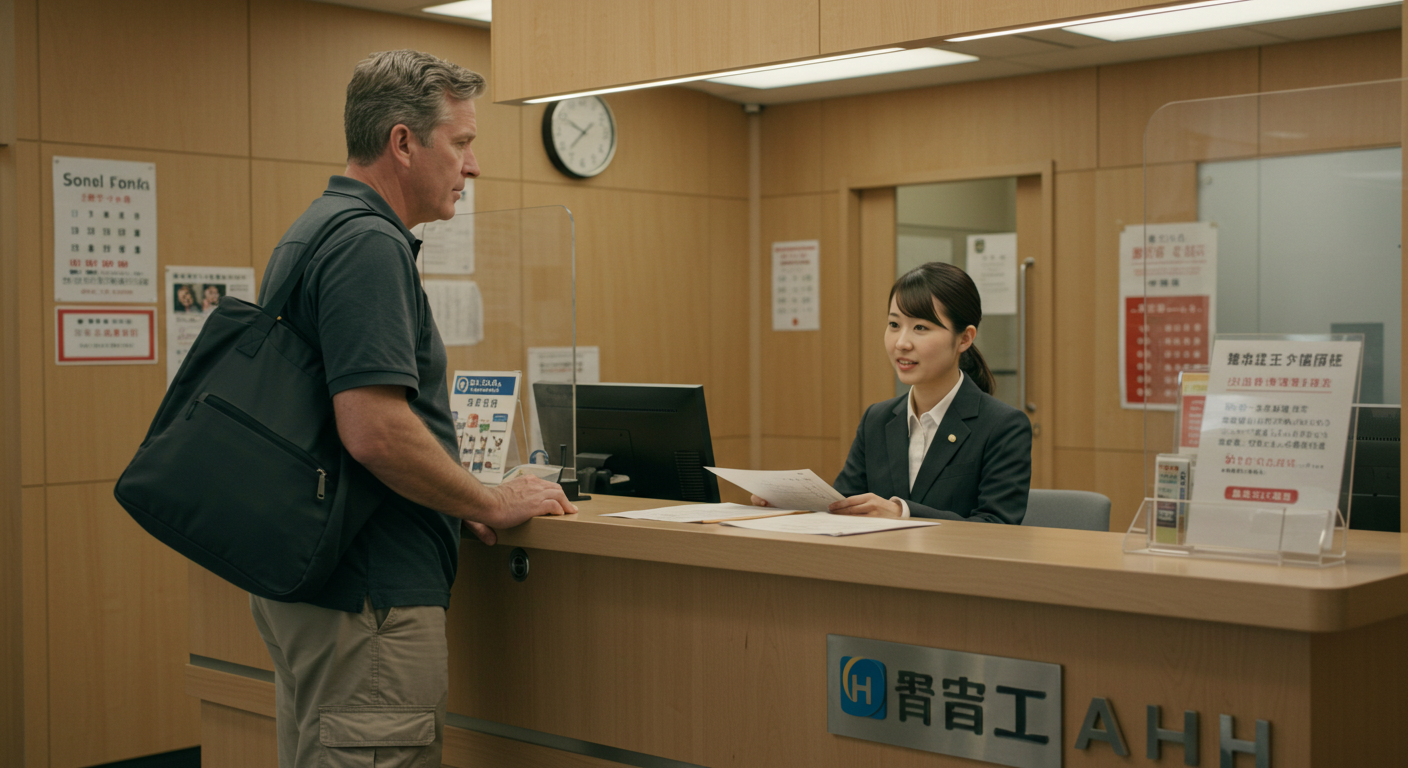
If you’re living or planning to stay long-term in Japan, opening a bank account is an essential step for handling daily finances, receiving salaries, and paying rent or utilities. While the process is generally straightforward, it can be confusing due to language barriers, documentation requirements, and banking customs. This guide provides a step-by-step breakdown of how to open a bank account in Japan, especially for foreigners.
1. Who Can Open a Bank Account in Japan?
To open a standard bank account, you typically need to:
- Be at least 18 years old
- Have a Japanese address
- Hold a mid-to-long term visa (tourists cannot open standard accounts)
Some banks allow short-term or limited-function accounts for students or working holiday visa holders.
2. What Documents Do You Need?
✅ Residence Card (在留カード) – Proof of legal residence and address in Japan
✅ Passport – For identity verification
✅ Hanko (Personal Seal) – Not always required, but some banks still request it
✅ Phone number in Japan – Some banks require a local number
✅ Student ID or Employment Certificate – For students or company employees (depends on bank)
💡 Note: Some online banks or modern branches (like Japan Post Bank or Rakuten Bank) may not require a hanko.
3. Best Banks for Foreigners in Japan
| Bank | Pros | Cons |
|---|---|---|
| Japan Post Bank (ゆうちょ銀行) | English support, many branches, easy for foreigners | Limited online features |
| Shinsei Bank | English application, no hanko, online banking available | Limited physical branches |
| Rakuten Bank | Online-only, convenient, English site | No physical branches |
| MUFG / SMBC / Mizuho | Nationwide branches, accepted by all employers | Complex process, mostly Japanese-only service |
4. Step-by-Step: How to Open a Bank Account
① Choose the Right Bank
- If you’re new to Japan and prefer English service, start with Shinsei Bank or Japan Post Bank.
- For online convenience, consider Rakuten or Sony Bank.
② Visit the Branch (or Apply Online)
- Some banks require in-person visits (especially traditional ones like MUFG or SMBC).
- Others, like Shinsei Bank and Rakuten Bank, allow online applications.
③ Fill Out the Application Form
- Most forms are in Japanese, but some banks offer English assistance.
- Provide basic details: name, address, phone number, occupation.
④ Submit Required Documents
- Show your residence card and passport.
- If needed, stamp your hanko or sign.
- Some banks may ask why you need the account (e.g., to receive salary).
⑤ Receive Your Bank Book & ATM Card
- For in-branch accounts: you may receive your passbook and ATM card on the spot or by mail.
- For online banks: your ATM card and login details will arrive by mail in 1–2 weeks.
5. Tips & Things to Know
✅ Language Barriers: Bring a Japanese-speaking friend or use translation apps. Some branches have English-speaking staff.
✅ ATM Usage: Most banks have their own ATMs. ATM fees may apply at night or outside your bank’s network.
✅ Online Banking: Available at most banks but interfaces are often in Japanese. Some banks offer English support (e.g., Shinsei, Rakuten).
✅ Hanko vs Signature: Some banks still require a hanko; others accept a signature.
✅ Account Types: Standard savings account is enough for most people.
Conclusion
Opening a bank account in Japan may seem complicated at first, but with the right documents and bank choice, it’s quite manageable. Whether you go for a traditional bank for stability or an online bank for convenience, this guide can help make the process smoother.



コメント
コメント一覧 (13件)
how to order androxal cheap generic uk
buy cheap androxal cheap buy online no prescription
cheap rifaximin buy dallas
rifaximin online purchase
acheter kamagra sans ordonnance comprime franche comte
kamagra sans ordonnance expédition fedex usa
enclomiphene compare price
buying enclomiphene price london
buying flexeril cyclobenzaprine generic form
cheap flexeril cyclobenzaprine lowest price
cheapest buy dutasteride generic release date
buying dutasteride lowest cost pharmacy
discount gabapentin cheap united states
cheap gabapentin buy from canada
online order fildena purchase in the uk
how to buy fildena usa seller
staxyn without a presciption
order staxyn canada with no prescription
how to buy itraconazole cheap to buy online
how to buy itraconazole australia purchase
order avodart generic online cheapest
online order avodart uk london
online order xifaxan generic vs brand name
buy xifaxan san francisco
obecný kamagra v nz
kamagra bez rx