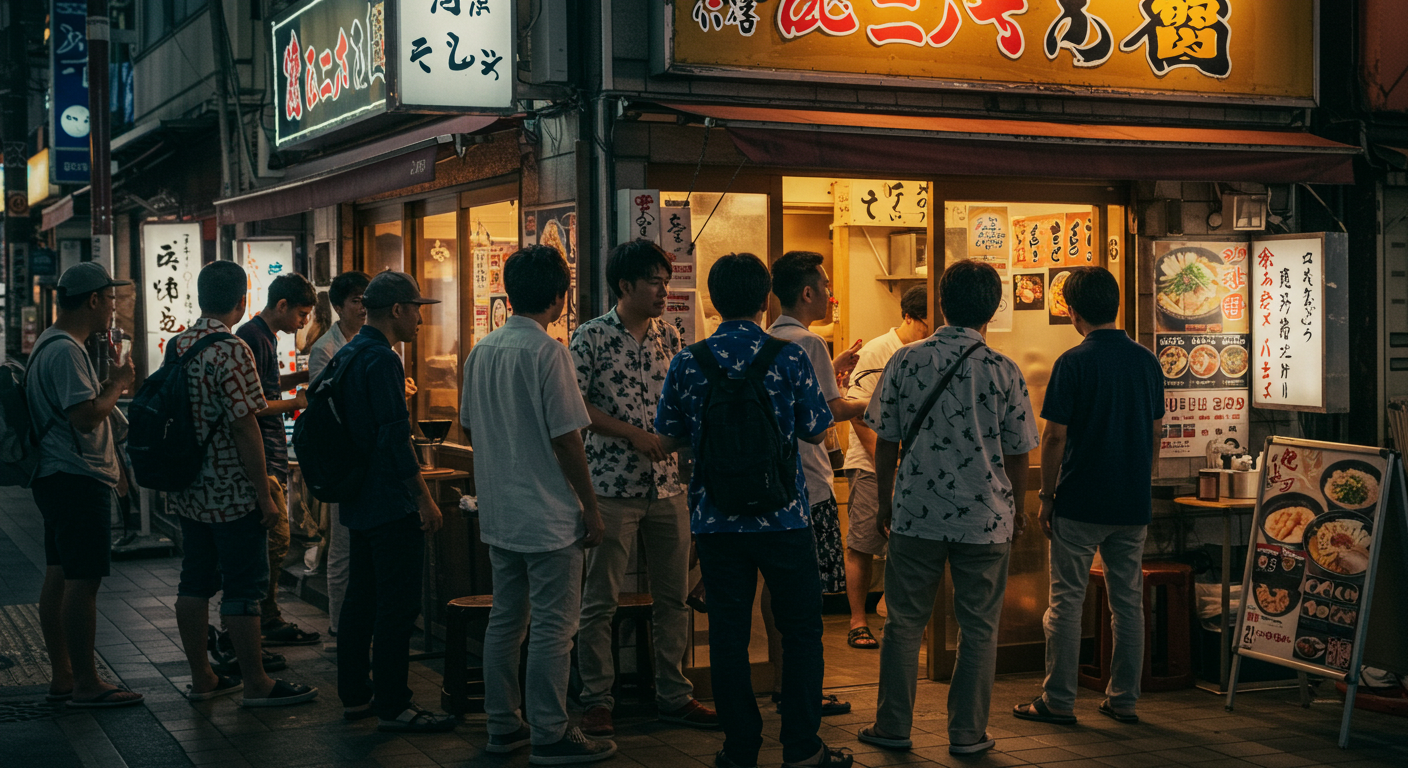
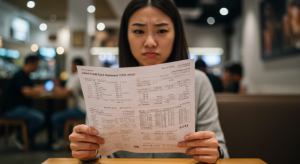
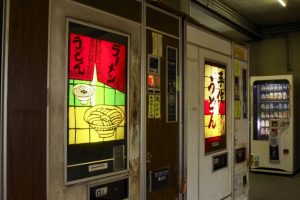
One of the things that surprises foreign visitors to Japan is how frequently and patiently people line up. Whether it’s for a popular ramen shop, a newly released product, a theme park attraction, or even at train stations, orderly queues are a common sight. In this article, we explore the reasons why Japanese people love lining up and the cultural background behind this behavior.
1. Main Reasons Why Japanese People Queue
① Respect for Order and Rules
- Japan values social harmony and order, making queuing an expected behavior.
- Cutting in line is considered rude, and following the queue is seen as the “right” thing to do.
② A Queue Represents Quality
- “A long queue = high popularity = high quality” is a common belief.
- Many people associate long lines with excellent food, services, or products.
- Social media and media hype further reinforce the mindset of “lining up for the best experience.”
③ Endurance and Patience as a Cultural Virtue
- Japanese culture values patience and perseverance, and waiting in line is sometimes seen as a small “test of dedication.”
④ Peer Pressure and Social Influence
- If many people are lining up, others feel the urge to join.
- A fear of missing out (FOMO) plays a role: “If there’s a line, I need to try it too!”
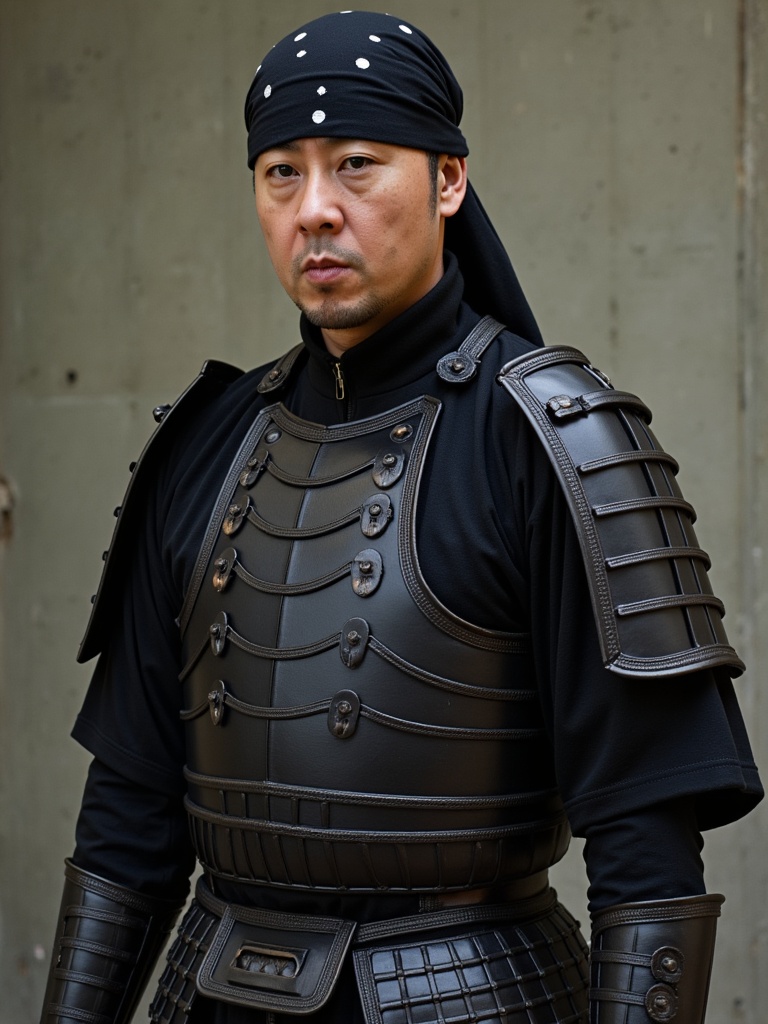
I don’t have anything I want to wait in line for, but Japanese people like to wait in line.
2. The Origins of Japan’s Queue Culture
① Post-War Scarcity and Habit Formation
- After World War II, resources were scarce, and lining up for food and goods became a necessity.
- This habit carried over into modern-day Japan.
② Influence of the Train System
- Japan’s highly efficient train system has instilled a culture of orderly waiting.
- Lining up at train platforms and bus stops is an ingrained habit.
③ Group Behavior Taught from School
- Japanese schools emphasize discipline and group behavior.
- Activities such as sports festivals and school trips reinforce the idea of following orderly systems.
3. Pros and Cons of Lining Up
Pros
✅ Ensures fairness (first come, first served) ✅ Increases anticipation and excitement ✅ Boosts business reputation (long queues attract more customers)
Cons
❌ Can be a waste of time (some lines take hours!) ❌ Can cause stress and fatigue ❌ Extremely long lines may discourage people from joining
4. Comparing Japan’s Queue Culture with Other Countries
- Western Countries: Queues exist, but often not as strictly followed as in Japan.
- China: Queue culture is developing, but cutting in line is still common in some areas.
- South Korea: Similar to Japan, queues form for popular food and product releases.
Conclusion
The reasons why Japanese people love lining up include:
- A strong sense of order and fairness
- The belief that queues indicate high quality
- A cultural appreciation for patience and endurance
- Social influence and peer pressure
While queuing can be tedious, it has become a unique aspect of Japanese culture. When visiting Japan, experiencing a long queue firsthand might offer an interesting cultural insight!

コメント
コメント一覧 (13件)
medicament kamagra en ligne a bon compte acheter medicament
kamagra commande en ligne sans ordonnance
order enclomiphene for sale usa
discount enclomiphene canada mail order
how to buy androxal purchase toronto
purchase androxal price discount
discount dutasteride purchase in the uk
dutasteride delivered cod fedex
buy flexeril cyclobenzaprine in London
online order flexeril cyclobenzaprine australia suppliers
purchase fildena purchase online uk
order fildena price prescription
buy gabapentin american express canada
cheap gabapentin generic tablets
how to buy itraconazole purchase online canada
how to buy itraconazole for sale usa
buy staxyn online dublin
buy cheap staxyn cheap info
get avodart uk where buy
buy avodart price generic
get rifaximin generic version
purchase rifaximin australia price
how to order xifaxan cheap genuine
online order xifaxan cheap with fast shipping
kamagra z kanady bez lékařského předpisu
kde si mohu koupit kamagra bez lékařského předpisu